Dion Laurent

Dion Laurent · Work / Barcodes

The Golden Age of Barcodes

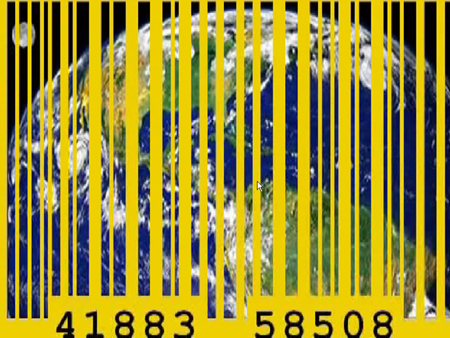
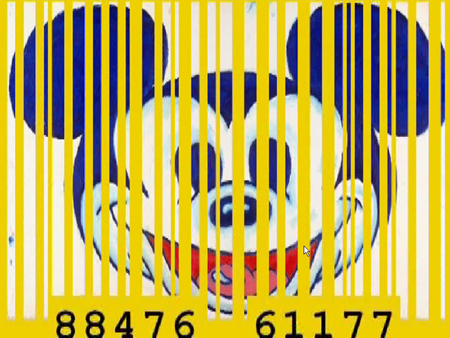
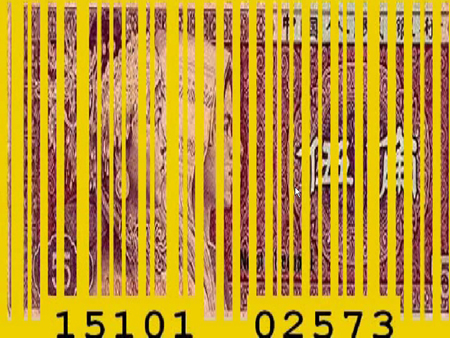
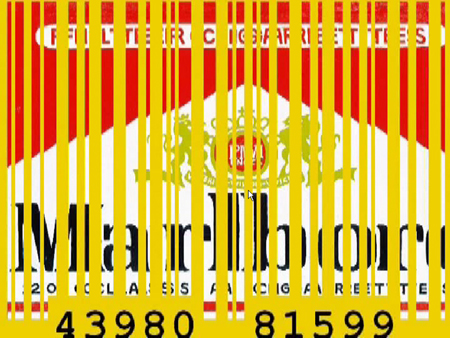
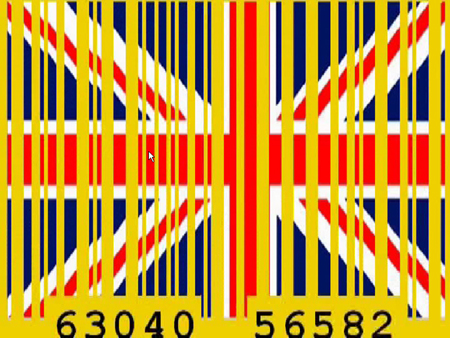
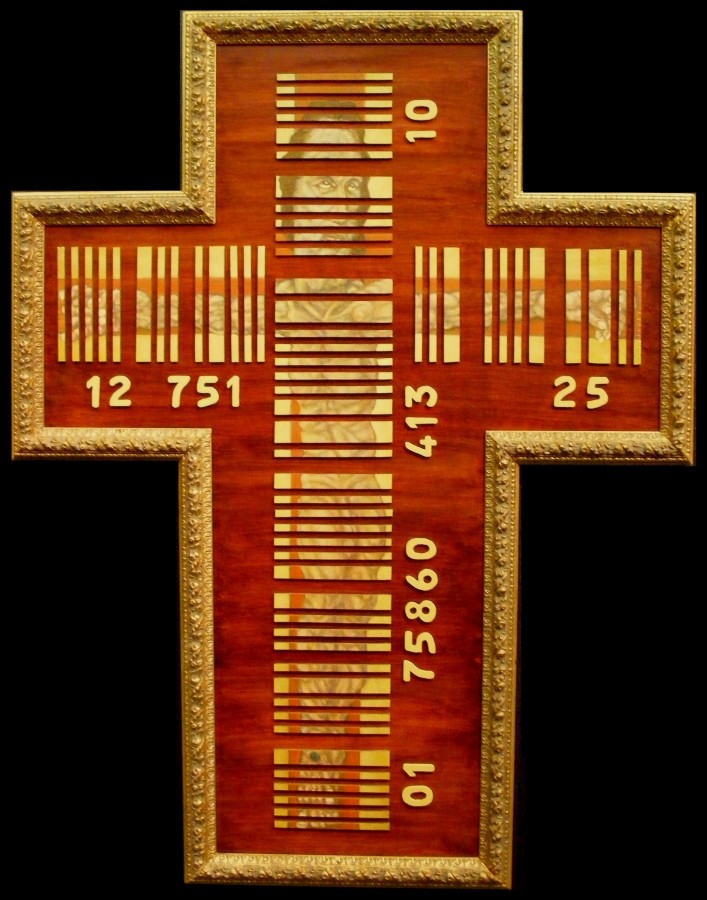
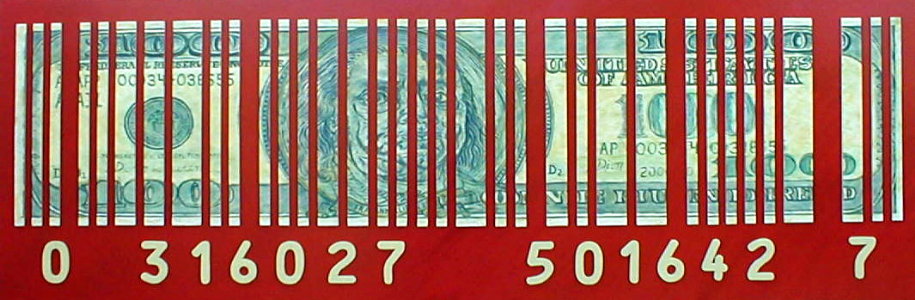
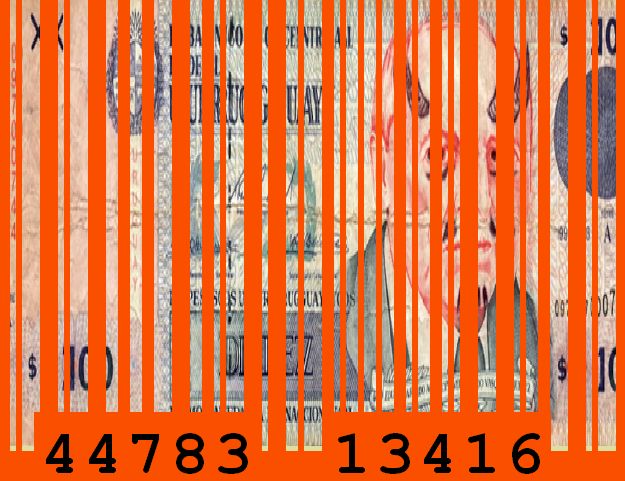
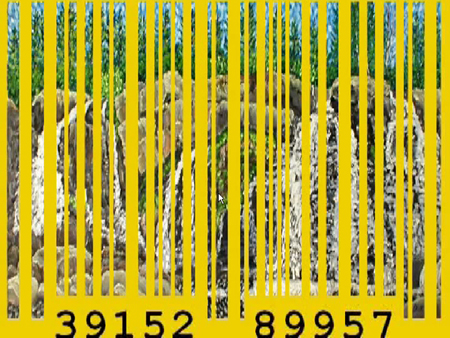
The barcode is the most recognized symbol in the world. Since 1991 Dion has barcoded paintings, photographs, found objects, flags, money, faith and the Earth itself: barcode everything, clone everything.

Paintings · program art · video · net art · 1991 – ongoing

Video still from The Golden Age of Barcodes by Dion Laurent
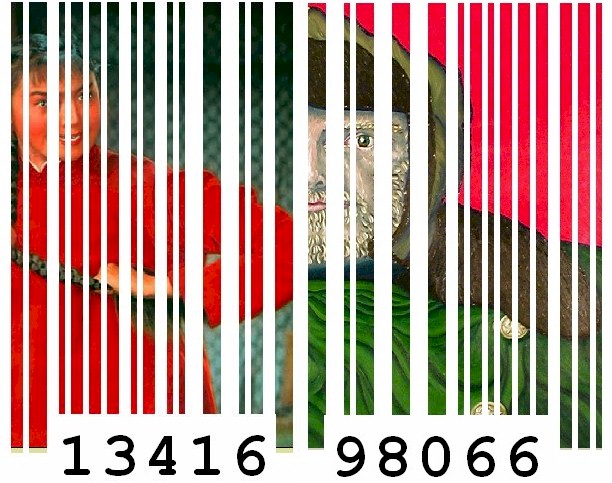
The Golden Age of Barcodes · video still, 1997–2004

The idea

To barcode everything, to clone everything.

Everything for sale

Barcoding, replicating, cloning and manufacturing all that exists stands for the manufacture and consumerism of every product, and for the commercialization of our natural world, our Earth, our spiritualities, our bodies, emotions and actions.

Since 1991

The idea began in 1991 with barcoded paintings, photographs and found-object works, shown in galleries from that year on. It grew into stencil, collage, photo-based works, video and new media.

Good and bad

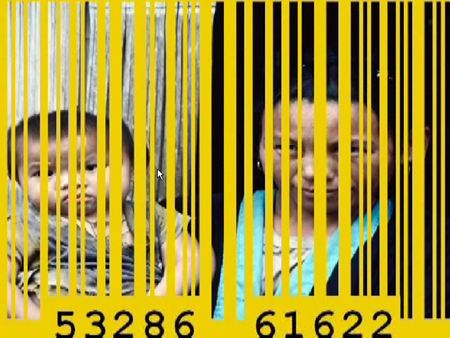
The Golden Age of Barcodes is a multi-ethnic, international picture of procreation and population explosion, consumerism and capitalism, and the commodification and devastation of the natural world.

01 · Program art

The program and the video

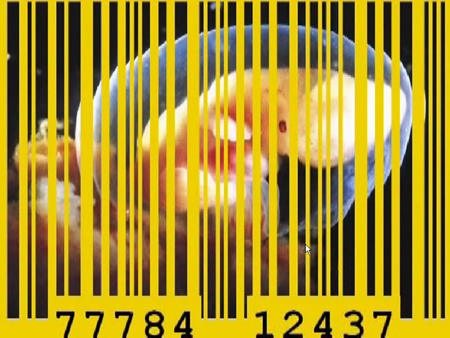
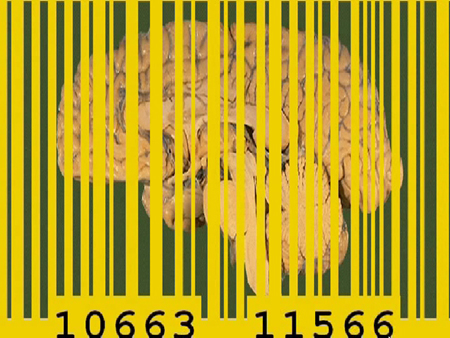
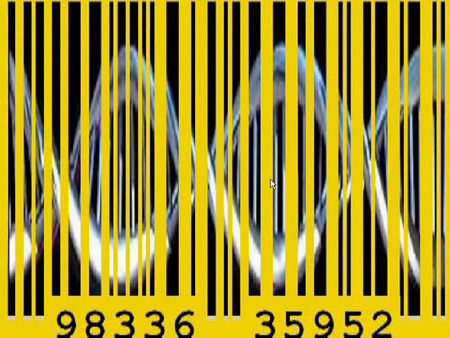
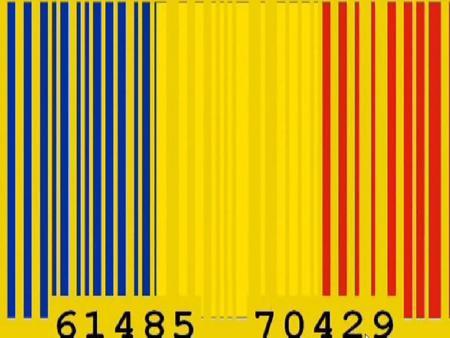
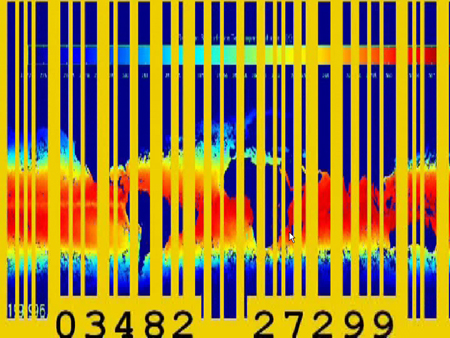
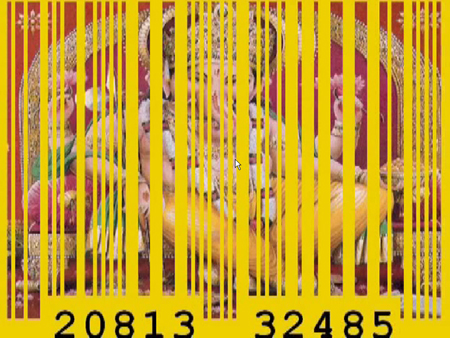
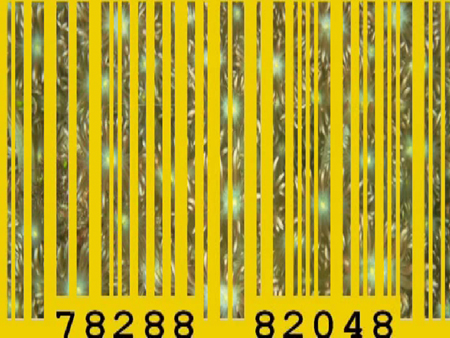
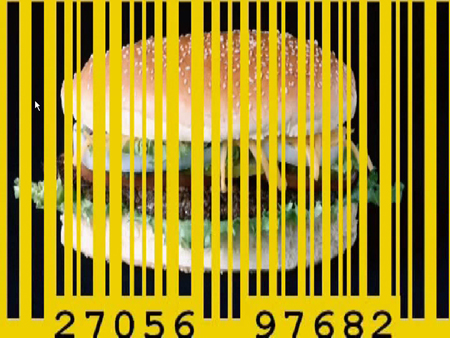
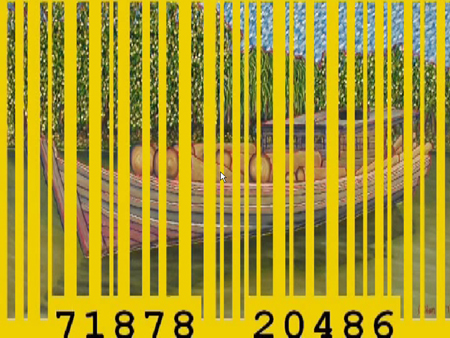
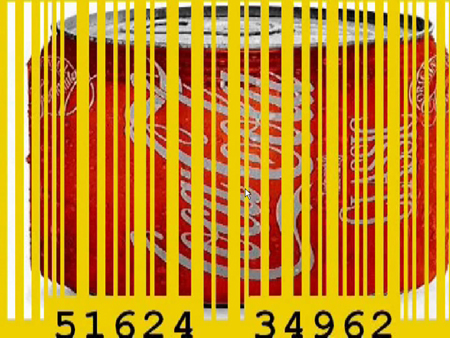
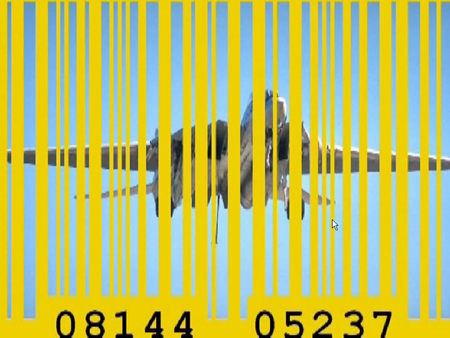
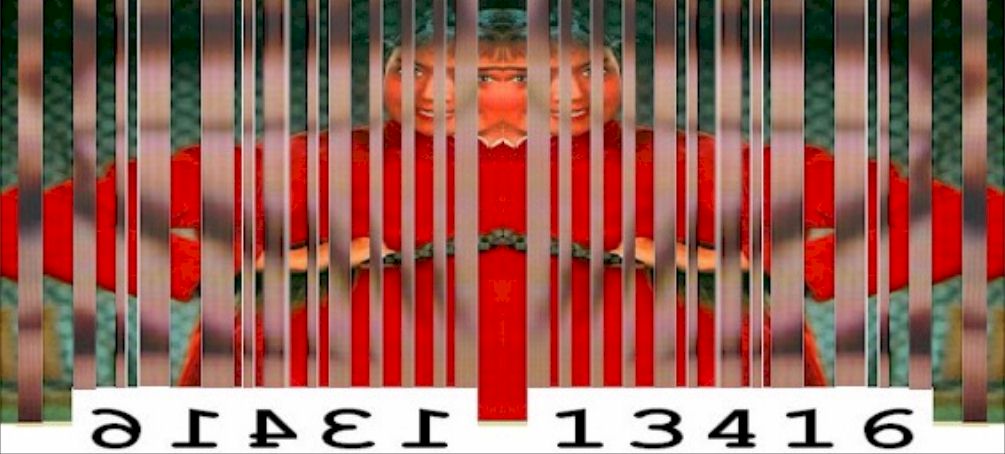
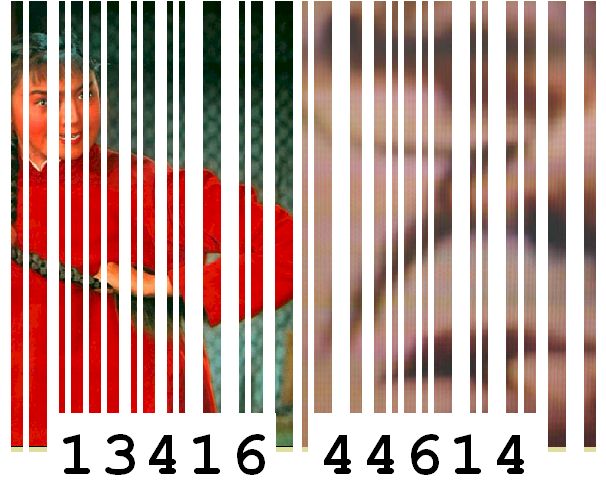
In 1997 Dion created a computer program, with the help of a friend, that turns any image into a barcode. It takes each picture in a folder, lays it down as barcode bars one slice at a time, adds the number, and moves on to the next. Over 10,000 images have been barcoded by the program.

The Golden Age of Barcodes (1997–2004, 5 min 5 sec) is the video animation made with it, with music by Blaine Flewin, “Metallic D.N.A.” Barcoded works also appear in Dion's videos In One Second (1996) and The Pipeline Project (2003–2004), and in the installation and net project The House That George Built.

The net art version is archived in the Rhizome ArtBase at the New Museum, New York. The work has been shown in Australia, Germany, London, the Obsession Festival in Istanbul, the Detroit Museum of New Art, the Bayennale in Oakland and San Francisco, FILE 2005 in São Paulo and FILE Rio 2006, the Istanbul Contemporary Art Museum's WebBiennial, Furtherfield.org and the Thailand New Media Art Festival 2005.

In 2026 Dion rebuilt the program for today's browsers, along with a new QR Barcoder: images that live inside a real, scannable QR code.

Barcoder · spec sheet1997 – now
Program
Written 1997, rebuilt 2026
Images barcoded
Over 10,000
Video
5:05, 1997–2004
Music
Blaine Flewin, “Metallic D.N.A.”
Archived
Rhizome ArtBase, New Museum
Festivals
FILE São Paulo · FILE Rio · WebBiennial Istanbul
New
QR Barcoder, scannable art

02 · Video stills

Stills from The Golden Age of Barcodes

03 · Barcoded works

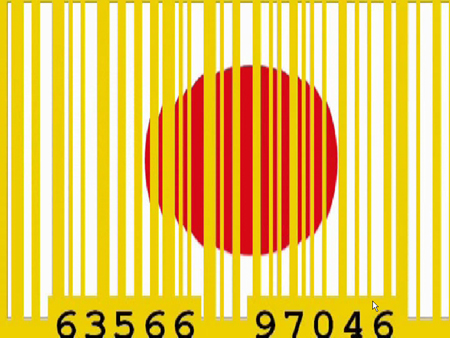
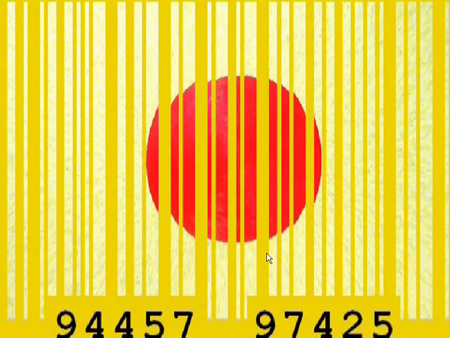
Paintings, flags, money and faith

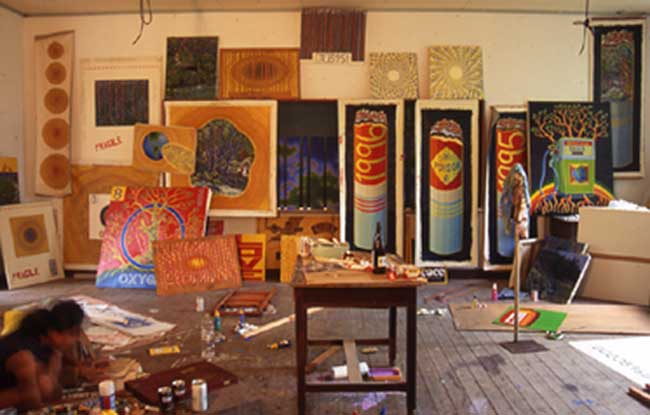
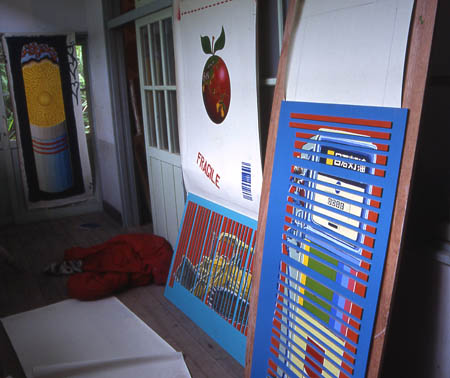
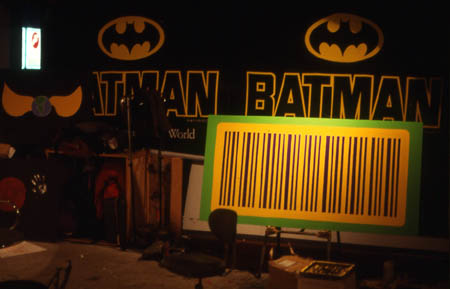
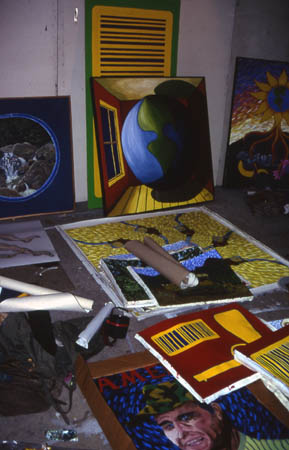
In the studio

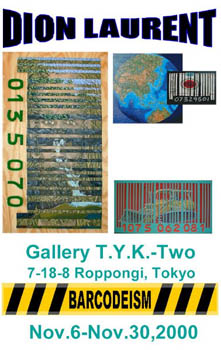
Barcodes in Japan

04 · DIWO, London 2007

Do It With Others

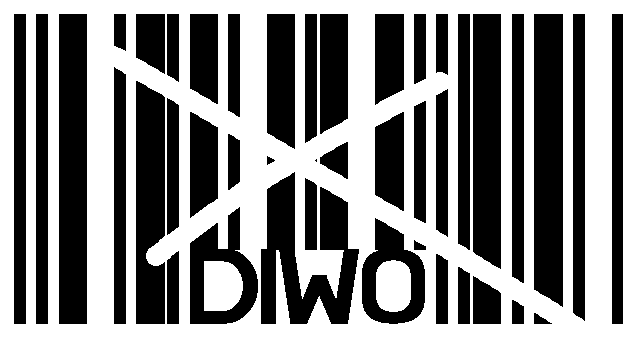
In 2006–2007 Dion's barcode works were part of DIWO (Do It With Others), the online E-Mail-Art project initiated by Furtherfield.org in London on the NetBehaviour email list.
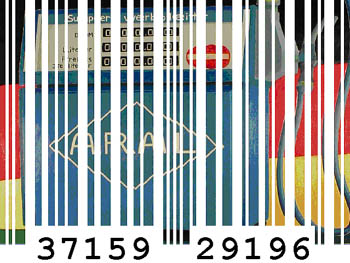
Artists around the world sent work to the list and shaped the exhibition together. It culminated in a show at Furtherfield's HTTP Gallery in London, March 2007, where Dion's barcoded works were exhibited.

DIWO barcode by Dion Laurent
DIWO, barcoded · 2007

05 · Barcodes of Life

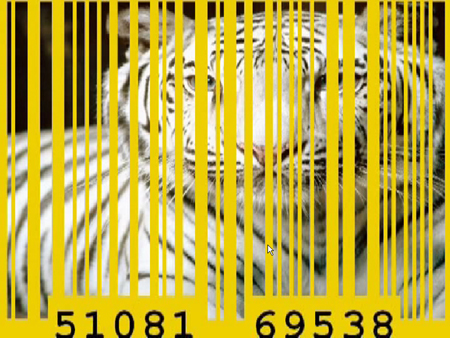
Barcoding all of the world's known species

In February 2005 Dion published an open proposal to the Natural History Museum in London, the Smithsonian Institution in Washington, D.C., and other collections: to serve as image and data sources for barcoding all of the world's life forms, in image and in numbers, with his barcode software.

The project grew out of The Golden Age of Barcodes, the Barcode Series, Made In (Flags), Sex Sells and One Billion Dollars. It runs alongside the scientific Barcode of Life initiative, which profiles each species' DNA with a barcode. Barcodes of Life gives that science a visible form: every identifiable specimen as a barcode image, with its own number and color codes.

Today the project is moving forward with the new programs. Species images from museum collections are barcoded and QR-coded so the animal or plant stays visible inside the code, and every scan leads back to that species' page of origin.

This is an ongoing project and an open call. Museums, scientists and collections interested in taking part: info@dionlaurent.com

Barcodes of Life Initiative image by Dion Laurent
Barcodes of Life · open proposal, 2005